

Law firms without video marketing may lose potential clients before a phone call takes place. A person facing an injury, arrest, divorce, business dispute, or estate concern often wants more than written information. That person may also want to hear whether an attorney communicates calmly, explains legal topics clearly, and appears prepared to listen.
Accelerate Now helps law firms use client-centered videos to answer common questions, introduce attorneys, explain the consultation process, and guide viewers toward a private conversation. The goal is not to make promises or pressure viewers. The goal is to help a potential client understand the firm and decide whether taking the next step makes sense.
A focused video strategy can support your website, search visibility, social media, advertising, and intake process. Each video should address a real concern that a potential client has, such as whether your firm understands the problem, what the person may expect next, and how to request a consultation.
Why Text Alone Can Leave a Trust Gap 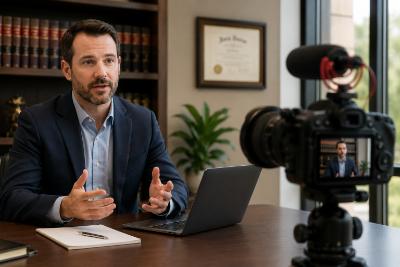
Written content gives potential clients details about your services, process, and experience. It also gives search engines context about each page. Text cannot fully communicate your tone, pace, patience, or presence.
A potential client may visit several law firm websites during one search. Many sites use similar practice-area terms, stock photographs, and broad statements about experience. A short attorney video lets the viewer hear how you explain a difficult subject and decide whether your communication style feels respectful and clear.
Choosing a lawyer is personal. The visitor may be worried about medical bills, a court date, family conflict, employment, or an uncertain future. A professional website can establish credibility. Video can help the person picture an actual conversation with your firm.
Read more about video marketing for law firms:
https://www.acceleratenow.com/the-importance-of-video-marketing-for-law-firms-in-2024/
Potential Clients Are Evaluating Your Communication Style
When someone watches your video, that person is evaluating both the information and the way you present it. The viewer may notice whether you:
- Speak in plain language
• Answer the question directly
• Show patience and empathy
• Avoid exaggerated claims
• Explain what may happen next
• Make the contact process clear
When a competing firm offers helpful videos and your firm offers only dense text, the competing firm may feel more familiar before either office receives a call.
You do not need a dramatic brand film for every topic. A focused 60-second answer can be more useful than a long production centered on the firm. The potential client should remain the central person in the story. The attorney should serve as a knowledgeable guide.
A useful attorney video does not need to be long. It needs to answer the right question clearly.
Video Helps People Understand Complicated Legal Topics
Legal problems often involve unfamiliar terms, deadlines, procedures, and possible consequences. A person may leave a practice-area page with questions even when the writing is accurate.
Video gives you another way to explain the subject. You can use a short clip to introduce a topic, then direct the viewer to a detailed page. Useful subjects may include:
- What to bring to an initial consultation
• What happens after a personal injury claim begins
• What someone may expect after an arrest
• How a custody case may move through court
• Why an estate plan may need updates
• How a business dispute consultation works
Keep each video general. Avoid case-specific legal advice and statements suggesting that one result applies to every viewer. Educational videos should reduce confusion while making clear that legal advice depends on the facts, law, and jurisdiction involved.
One Recording Session Can Support Several Marketing Channels
Law firms sometimes avoid video because they picture a constant production schedule. A practical plan starts with a small group of useful topics and turns each recording into several pieces of content.
One attorney interview can become:
- A full website video
• Several short social media clips
• A YouTube video
• A paid video advertisement
• A written transcript
• A blog post
• An email section
• A frequently asked question entry
This approach keeps your message consistent and gives each recording more value. It also lets you adjust the length and framing for each platform.
A planned collection of supporting footage can add context without distracting from the attorney. Review these B-roll planning tips:
https://www.acceleratenow.com/how-to-shoot-b-roll-footage-for-visual-storytelling/
Add captions to each video and place an edited transcript near the video when the page format allows it. Remove spoken filler from the transcript so the written version reads naturally.
Video Can Support Search and Website Performance
Video does not replace search engine optimization. It works best when it supports a useful page with relevant written content, descriptive titles, transcripts, internal links, and a clear next step.
Place a practice-area video on the page that matches its subject. A car accident video should appear on a relevant car accident page, not on an unrelated general page. This alignment helps visitors find the answer they expected.
The page should also include enough written information to stand on its own for people who cannot or do not want to watch the video. Descriptive headings, captions, transcripts, and related links can help visitors scan the page and locate the information they need.
Page speed still matters. Compress video files, use dependable hosting, avoid autoplay with sound, and test each page on mobile devices. A helpful video should support the page rather than make it difficult to use.
Learn how Accelerate Now approaches law firm video marketing:
https://www.acceleratenow.com/expert-law-firm-video-marketing-services/
The Wrong Video Can Create New Friction
Video marketing can underperform when the production focuses on appearance while overlooking the person watching. Common problems include:
- A long opening before the useful answer
• Scripts filled with legal jargon
• Generic claims that could describe any firm
• Poor audio or distracting backgrounds
• Aggressive music or editing
• Missing captions or transcripts
• No clear next step
• Statements that promise results
• Old videos that no longer match the firm
Your message should sound prepared without sounding robotic. Attorneys often perform better with concise talking points than with a memorized script.
Open by identifying the viewer’s question. Explain the issue in plain language. Give a simple next step. End with a measured invitation to contact the firm when the viewer needs advice about a specific situation.
A Clear Call to Action Connects Attention With Intake
A viewer may appreciate your video and still take no action when the next step is vague. Each video should have one primary action that matches the viewer’s stage of decision-making.
An early educational video may direct the person to a related guide. A practice-area video may invite the viewer to contact the firm. A consultation video may explain how to call, submit a form, or prepare for the conversation.
A video call to action should be direct and relevant. It should connect with a website experience that helps visitors move from information to contact without searching for the next step.
Call-to-action guidance:
https://www.acceleratenow.com/the-importance-of-call-to-action-in-video-ads-and-how-to-nail-it/
Website lead conversion guidance:
https://www.acceleratenow.com/strategies-for-capturing-and-converting-website-leads/
Measure Client Movement, Not Vanity Metrics
Views, likes, and watch time can help you understand attention, but they do not show the complete business result. Track measures such as:
- Visits from a video platform to the website
• Clicks from a video page to the contact page
• Calls or forms associated with a video campaign
• Qualified consultations by source
• Frequently watched topics
• Drop-off points within longer videos
• Signed matters when reporting systems and ethics rules allow attribution
A video with fewer views may provide more business value when it reaches the right people and helps them take a useful next step. Review performance by topic, practice area, location, and placement. Record more content that answers questions connected with qualified inquiries.
Review video marketing metrics:
https://www.acceleratenow.com/demystifying-video-ad-metrics-what-you-need-to-know/
Pair video data with intake information so your team can separate attention from business value.
What Videos Should a Law Firm Create First?
Start with the questions that your intake team hears every week. Choose one attorney who can explain each answer clearly. Record in a bright, quiet setting and publish each clip on the page that best matches the subject.
A practical first group may include:
- An attorney introduction
• A consultation overview
• Two practice-specific questions
• One video explaining matters that the firm does not handle
Clear qualification can save time for the viewer and your staff. It can also help a person understand whether another type of lawyer or resource may be a better fit.
How Long Should an Attorney Marketing Video Be?
The right length depends on the question and platform. A short answer may take 30 to 90 seconds. A detailed explanation may require several minutes. Use only the time needed to answer the question clearly.
Begin with the main answer rather than a long introduction. Break complex subjects into a series of focused videos instead of placing several unrelated topics into one recording.
Does Video Marketing Help Law Firms Attract Clients?
Video can help a law firm become more familiar, explain legal topics, and guide interested viewers toward the next step. It cannot replace sound legal work, clear website information, responsive intake, or a strong marketing strategy.
The best results come from videos that address real client questions, match the content of the page, follow legal advertising rules, and connect with a clear contact process.
Turn Video Into a Stronger Client Path
Potential clients do not need a theatrical production. They need useful information from a professional who appears prepared to listen. Consistent, client-centered video can help your law firm become more familiar, explain complicated topics, and connect website attention with the intake process.
Accelerate Now helps law firms across the United States plan, produce, publish, and measure video content as part of a connected marketing system. The team focuses on educational content, website integration, search visibility, advertising, and intake goals.
Schedule a discovery call:
https://www.acceleratenow.com/schedule/
Call Accelerate Now at (833) 500-0000:
tel:+18335000000
This article is for informational purposes only and is not legal advice. Consult an attorney about your specific situation.